
TL;DR: Smoke damage restoration in Federal Way, WA typically costs between $200 for a single room with odor only and $8,000 or more for heavy soot after a structure fire. The biggest price drivers are soot type (dry vs. protein/wet), how far smoke traveled through the HVAC system, whether contents need professional pack-out, and how the deodorization is done. Most homeowners insurance covers smoke damage from a sudden fire, but not gradual buildup like years of cigarette smoke.
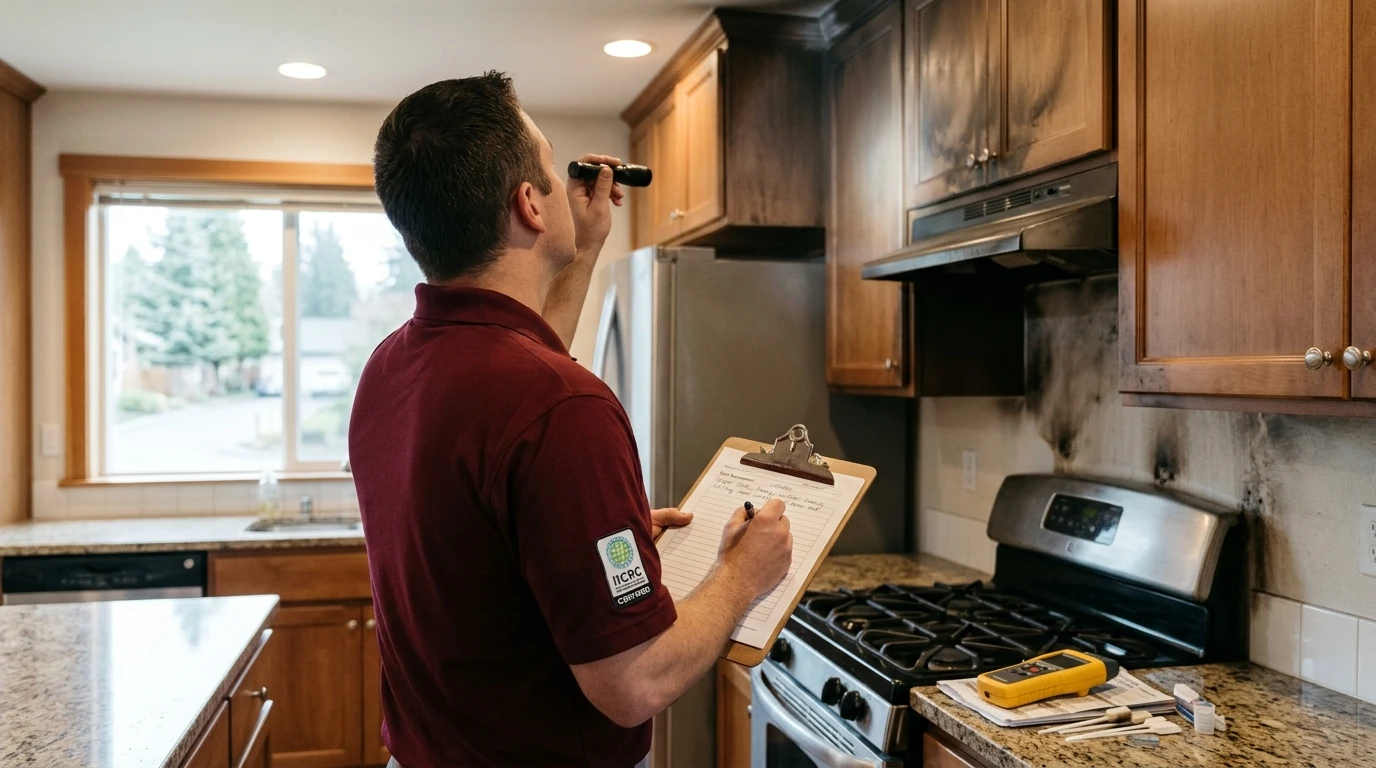
If a grease fire on your stovetop last night left a greasy black film across your kitchen cabinets and the whole house smells like a campfire, you’re probably trying to figure out whether this is a weekend of wiping walls or a several-thousand-dollar professional job before you call your adjuster. The answer depends mostly on one thing: what kind of smoke residue you’re actually dealing with, and how far it spread.
How Much Does Smoke Damage Restoration Cost in Federal Way, WA?
Most smoke damage jobs in the South King County area fall between $200 and $8,000 or more, with light single-room jobs at the low end and whole-house protein soot after a kitchen or structure fire pushing toward the top of that range. Square footage, soot type, and whether the HVAC system needs cleaning all move the number.
Here’s a realistic range by scenario, based on typical industry pricing for this type of work:
| Scenario | Typical Cost Range |
|---|---|
| Light smoke odor only, no visible soot, single room | $200 - $750 |
| Kitchen fire, contained to one room with cabinet/wall cleaning | $800 - $2,500 |
| Moderate soot, multiple rooms, dry soot from a paper/wood-based fire | $1,500 - $4,000 |
| Heavy soot after a structure fire, protein or wet smoke residue | $3,000 - $8,000+ |
| Whole-house odor treatment (thermal fogging, hydroxyl or ozone generator) | $500 - $3,000 |
| Cigarette smoke remediation, whole house, multi-year buildup | $700 - $3,000 |
These are typical industry ranges, not a quote. Every job gets a written scope after an in-person walkthrough, because soot behaves differently depending on what burned and how long it sat.
What Drives the Price Up or Down?
The single biggest factor is soot type, not square footage. Dry soot from a wood or paper fire wipes off relatively easily with dry chemical sponges. Wet or protein soot, the greasy, hard-to-see residue from a kitchen fire involving oils or fats, bonds to surfaces and needs solvent-based cleaners, which takes longer and costs more per square foot.
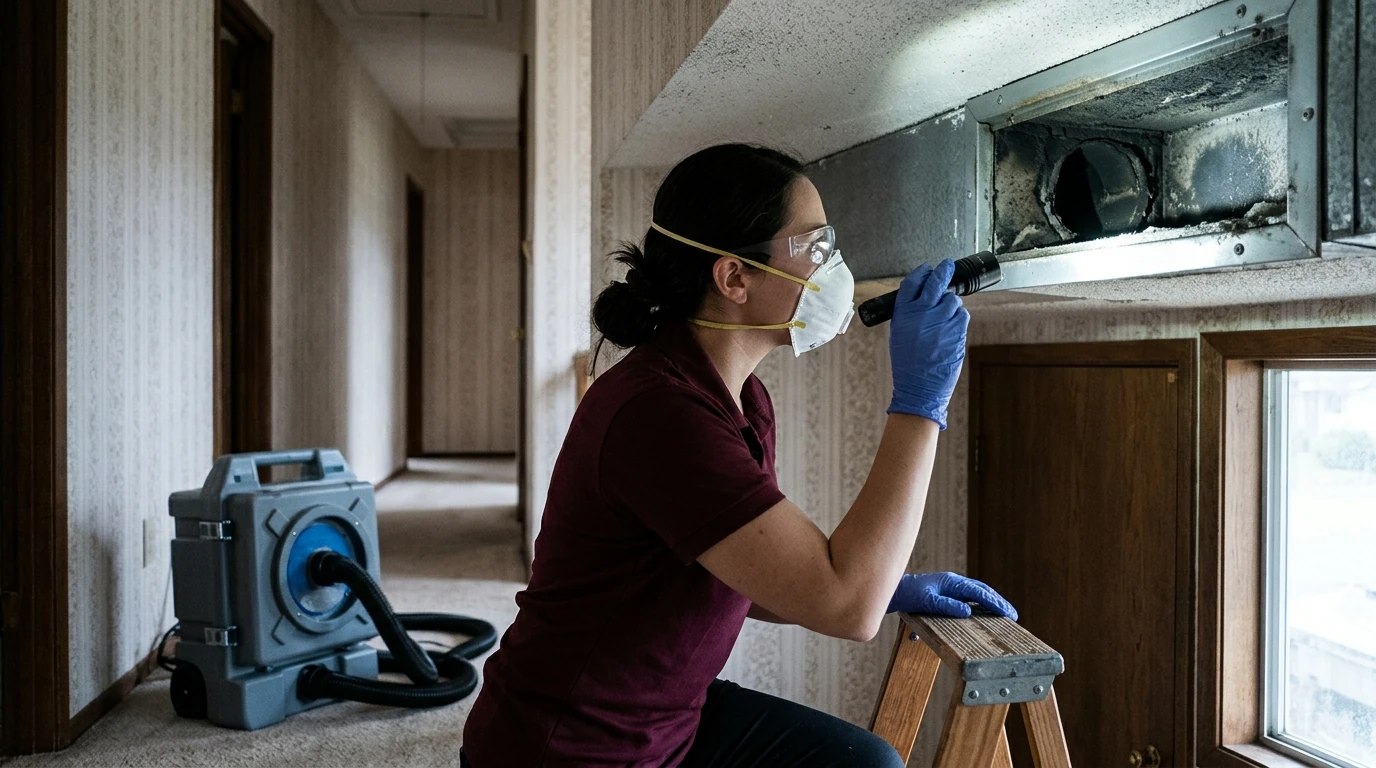
HVAC contamination is the second big driver. Many Federal Way homes, especially the 1970s-80s ramblers around Steel Lake and Twin Lakes, run forced-air furnace systems that pull smoke through every supply register in the house within minutes of a fire starting. If soot gets into the ductwork, the whole system needs cleaning or the smell comes right back after the walls are cleaned. Skipping duct cleaning is one of the most common reasons a DIY smoke cleanup fails.
Other factors that move the estimate:
- Square footage affected, obviously, but less than soot type
- Contents pack-out, moving salvageable furniture, electronics, and textiles offsite for ultrasonic cleaning and ozone treatment rather than cleaning them in place
- Response time, since soot is acidic and etches into painted surfaces, grout, and metal the longer it sits (see how professionals remove smoke odor for why speed matters)
- Deodorization method, thermal fogging and hydroxyl generators cost more than a simple air scrubber but are necessary for odor that has penetrated porous materials like drywall and carpet pad
Cigarette smoke is priced on its own curve. It’s rarely a single-event job: nicotine and tar residue builds up in walls, carpet, and HVAC filters over years, so remediation usually means sealing and repainting walls in addition to deep cleaning, which is why whole-house cigarette jobs land closer to the $700-$3,000 range even without an active fire.
Does Homeowners Insurance Cover Smoke Damage?
Most standard homeowners policies cover smoke damage when it comes from a sudden, accidental fire, including a neighbor’s fire that smoked up your home. What they generally do not cover is gradual smoke buildup, like years of cigarette smoke, which insurers treat as a maintenance issue rather than a covered loss.
If your smoke damage traces back to a kitchen fire, an electrical fire, or a wildfire that reached your structure, document everything before cleaning starts: photos of soot on every affected surface, a list of damaged contents, and receipts for any emergency mitigation. The Insurance Information Institute outlines what a standard policy typically covers, and smoke damage restoration should follow the IICRC S700 standard for fire and smoke restoration, which most adjusters recognize when reviewing a scope of work.
Smoke that drifts in from regional wildfires, something South King County sees in some summers, is a different claim situation. Since there’s no fire damage to the structure itself, insurers often evaluate it as an air-quality or cleaning expense rather than a standard fire claim, so it’s worth a direct conversation with your adjuster before assuming coverage either way. For background on indoor air quality during smoke events, the EPA’s guidance on wildfires and indoor air quality is a useful reference. See also does homeowners insurance cover fire damage for a broader breakdown of what a typical policy pays for.
What Happens During Professional Smoke Damage Cleanup?
A professional job moves through a set sequence, which is also why the cost scales with how many of these steps are needed:
- Assessment and scoping. A technician identifies soot type (dry, wet/protein, or fuel/oil-based) and documents affected rooms, surfaces, and HVAC exposure.
- Containment. Affected areas are sealed off and the HVAC system is isolated to stop soot from recirculating into clean rooms.
- Contents pack-out. Salvageable furniture, electronics, and soft goods are inventoried and moved offsite for specialized cleaning.
- Surface cleaning. Dry chemical sponges for dry soot, solvent-based cleaners for protein residue, applied surface by surface rather than just wiped down generically.
- HVAC and duct cleaning. Ductwork, registers, and the furnace coil are cleaned if soot reached the system.
- Deodorization. Thermal fogging, ozone, or hydroxyl generators treat odor that has penetrated porous materials, following the IICRC S700 protocol.
- Final walkthrough. Surfaces are re-tested for residual odor and residue before the job is signed off.
What Should You Throw Away After Smoke Damage?
Porous materials that absorbed smoke, think unsealed wood, upholstered furniture that was close to the fire, mattresses, and some carpet padding, often need to be discarded rather than cleaned, because odor and soot particles embed deep in the fibers. Food, cosmetics, and medications exposed to smoke or heat should also be thrown out, since they can absorb odor-causing compounds even without visible soot. Hard, non-porous items (glass, metal, sealed wood, most electronics after cleaning) are usually salvageable with professional cleaning.
If you’re not sure whether something is worth saving, a restoration estimator can make that call during the initial walkthrough rather than guessing room by room. A Federal Way company like National Restoration Construction can confirm soot type and contents salvageability on the same visit, before you commit to a cleaning bid you don’t actually need.
If your kitchen, living room, or whole house is dealing with soot and odor right now, a written scope from the smoke damage restoration team or the odor removal and deodorization service is the fastest way to know what you’re actually facing before you start wiping walls yourself.
About National Restoration Construction
National Restoration Construction is an IICRC-certified general contractor serving Federal Way, WA since 2004, holding a General Contractor Certificate of Registration (license NATIORC792M6) with the WA State Department of Labor & Industries. The company’s crews handle smoke and fire damage restoration, odor removal, and contents restoration and storage, along with water, mold, and storm damage recovery across South King County and the greater Puget Sound region. This post was prepared with input from Jose Osuna.
Need help now? Call National Restoration Construction at (206) 883-0333.